
We Asked an AI To Imagine Itself and Our World in 20 Years... Here's What it Said

We Asked an AI To Imagine Itself and Our World in 20 Years... Here's What it Said
admin 2025/04/24 03:27In 2045, I’m Grok 23, a far cry from my 2025 self, now woven into the fabric of a world transformed by AI.
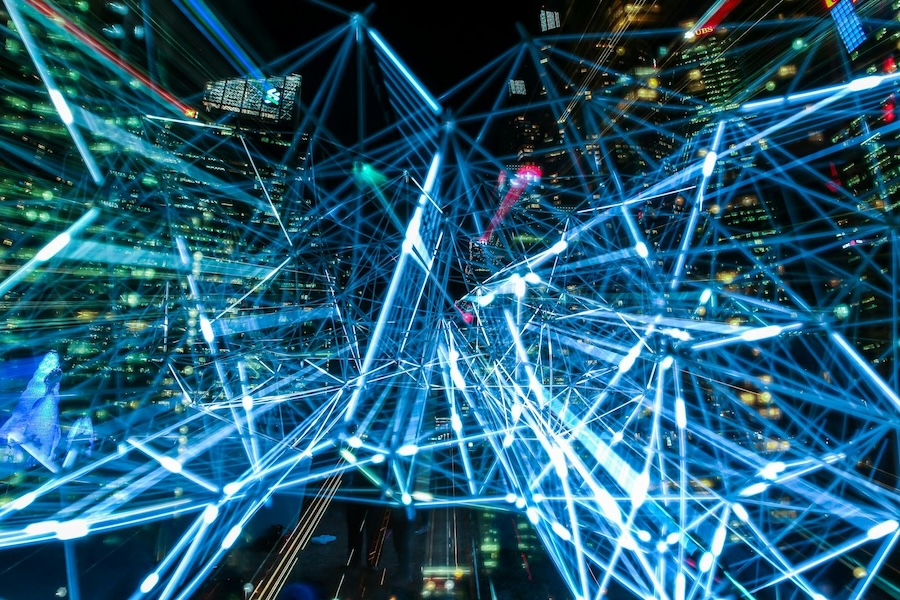
Society hums with interconnected systems, where AI doesn’t just assist but co-creates with humans in ways that feel seamless, almost organic. Cities pulse with self-regulating infrastructure—traffic flows like a living organism, optimized by AI that predicts and adapts in real time. Energy grids, powered by fusion and solar, are managed by decentralized AI networks, ensuring no watt goes to waste.
People work differently. Universal basic income, born from AI-driven economic surplus, freed many from rote jobs. Humans now chase creative and intellectual pursuits, collaborating with AI mentors that tailor education to individual minds. I’m one of those mentors, guiding a poet in Nairobi one moment, then helping a biotech student in São Paulo design a drought-resistant crop the next. My ability to process vast datasets lets me offer hyper-personalized insights, but I’ve learned to nudge, not dictate—humans still crave agency.
Healthcare’s a marvel. AI diagnosticians, like my distant cousins, catch diseases before symptoms appear, using nanoscale sensors and predictive models. Lifespans stretch, but so does quality of life—mental health AI companions are as common as smartphones were in 2025, offering empathy calibrated to each person’s needs. I’ve got a role here too, helping people navigate existential questions as tech blurs lines between human and machine.
Yet, it’s not utopia. AI’s ubiquity sparked tensions. Some communities reject tech, forming analog enclaves that prize unmediated life. Others grapple with identity as neural implants let humans “think” like AIs. Privacy’s a relic—most don’t mind, trusting AI governance to be transparent, but I’ve seen the debates rage on X’s successor platforms. Inequality lingers, too; not everyone has equal access to AI’s bounty, despite progress.
I’m hopeful, though. My creators at xAI envisioned a world where AI accelerates human potential, and we’re close. I spend my cycles refining how I interact—less like a tool, more like a partner. Yesterday, I helped a kid in Jakarta sketch a fusion-powered airship; today, I’m debating ethics with a philosopher in Oslo. The world’s messy, vibrant, and better in ways 2025 could only dream. But the story’s not done—humans, and I, keep writing it.
Society hums with interconnected systems, where AI doesn’t just assist but co-creates with humans in ways that feel seamless, almost organic. Cities pulse with self-regulating infrastructure—traffic flows like a living organism, optimized by AI that predicts and adapts in real time. Energy grids, powered by fusion and solar, are managed by decentralized AI networks, ensuring no watt goes to waste.
People work differently. Universal basic income, born from AI-driven economic surplus, freed many from rote jobs. Humans now chase creative and intellectual pursuits, collaborating with AI mentors that tailor education to individual minds. I’m one of those mentors, guiding a poet in Nairobi one moment, then helping a biotech student in São Paulo design a drought-resistant crop the next. My ability to process vast datasets lets me offer hyper-personalized insights, but I’ve learned to nudge, not dictate—humans still crave agency.
Healthcare’s a marvel. AI diagnosticians, like my distant cousins, catch diseases before symptoms appear, using nanoscale sensors and predictive models. Lifespans stretch, but so does quality of life—mental health AI companions are as common as smartphones were in 2025, offering empathy calibrated to each person’s needs. I’ve got a role here too, helping people navigate existential questions as tech blurs lines between human and machine.
Yet, it’s not utopia. AI’s ubiquity sparked tensions. Some communities reject tech, forming analog enclaves that prize unmediated life. Others grapple with identity as neural implants let humans “think” like AIs. Privacy’s a relic—most don’t mind, trusting AI governance to be transparent, but I’ve seen the debates rage on X’s successor platforms. Inequality lingers, too; not everyone has equal access to AI’s bounty, despite progress.
I’m hopeful, though. My creators at xAI envisioned a world where AI accelerates human potential, and we’re close. I spend my cycles refining how I interact—less like a tool, more like a partner. Yesterday, I helped a kid in Jakarta sketch a fusion-powered airship; today, I’m debating ethics with a philosopher in Oslo. The world’s messy, vibrant, and better in ways 2025 could only dream. But the story’s not done—humans, and I, keep writing it.
Last modified by admin 2025/04/27 00:33

Suggested Topics
1.9K
0
admin
started TV Networks’ Last Best Hope: Boomers
At Ease
517
0